Find your problem, then jump to the fix:
Safety first: unplug lights before you touch sockets, plugs or cut wire. If you see melted plastic, scorch marks or a cord that is hot to the touch, unplug it and replace that section or call an electrician.
1. Christmas lights won’t turn on at all
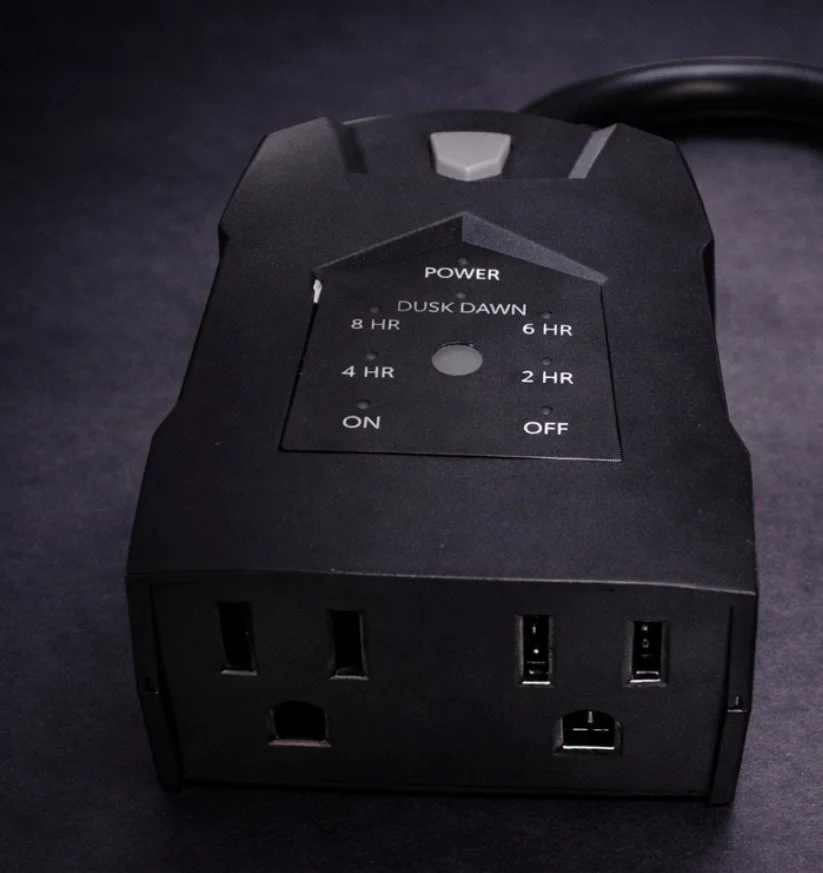
Why it happens: no power is reaching the lights. It is usually a tripped GFCI outlet, a timer that is off or set wrong, or a tripped breaker, not the lights themselves.
How to fix it:
- Press the reset button on the outdoor GFCI outlet. If it won’t stay reset, see problem 2.
- Plug a lamp or phone charger into the outlet to make sure it has power.
- Check the timer. Make sure it is plugged in, switched on and set to the right mode.
- A photocell timer needs darkness. If a porch light or streetlight shines on the sensor, it may stay off.
- Check the breaker panel for a tripped breaker. See problem 5.
- Still dark? Plug the first run straight into the outlet, skipping the timer, to find which piece has failed.
2. Christmas lights turn off when it rains

Why it happens: water is reaching bare copper and tripping the GFCI outlet. The usual spots are an open cut end, a nicked wire, an empty socket or a plug lying in wet grass. A GFCI trip is a safety feature, not a broken outlet.
How to fix it:
- Seal every cut end with a termination end cap.
- No caps? Trim the two wires to different lengths so the copper can’t touch, fold the end back and wrap it tightly with electrical tape.
- Fill every empty socket with a bulb.
- Lift plugs and connections off the ground. Hang them on a stake or tuck them under the eaves.
- Keep the outlet cover closed.
- Replace any cracked or damaged plug.
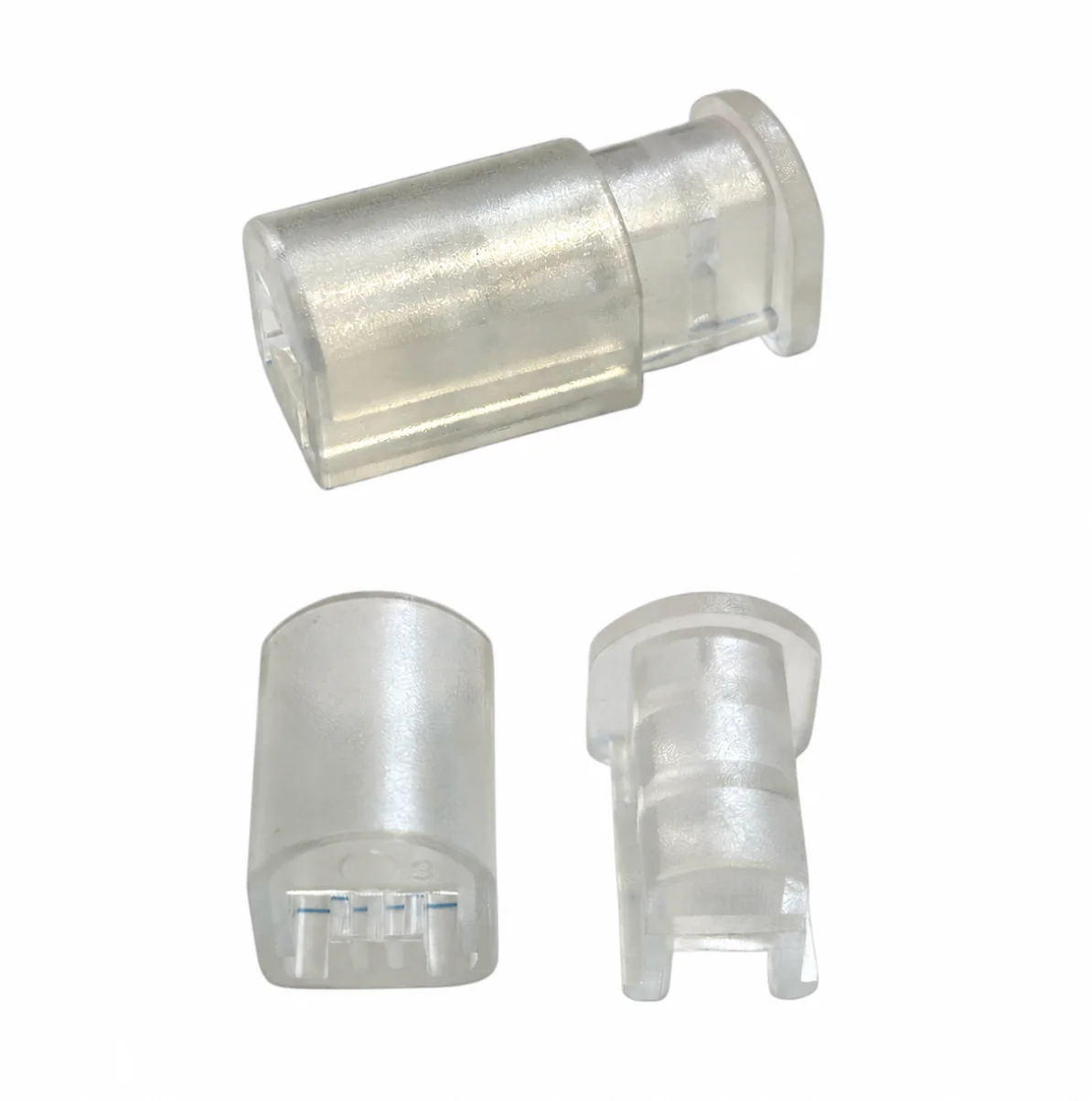
Full walkthrough: how to seal Christmas lights and stop GFCI tripping.
3. Half the Christmas light strand is out
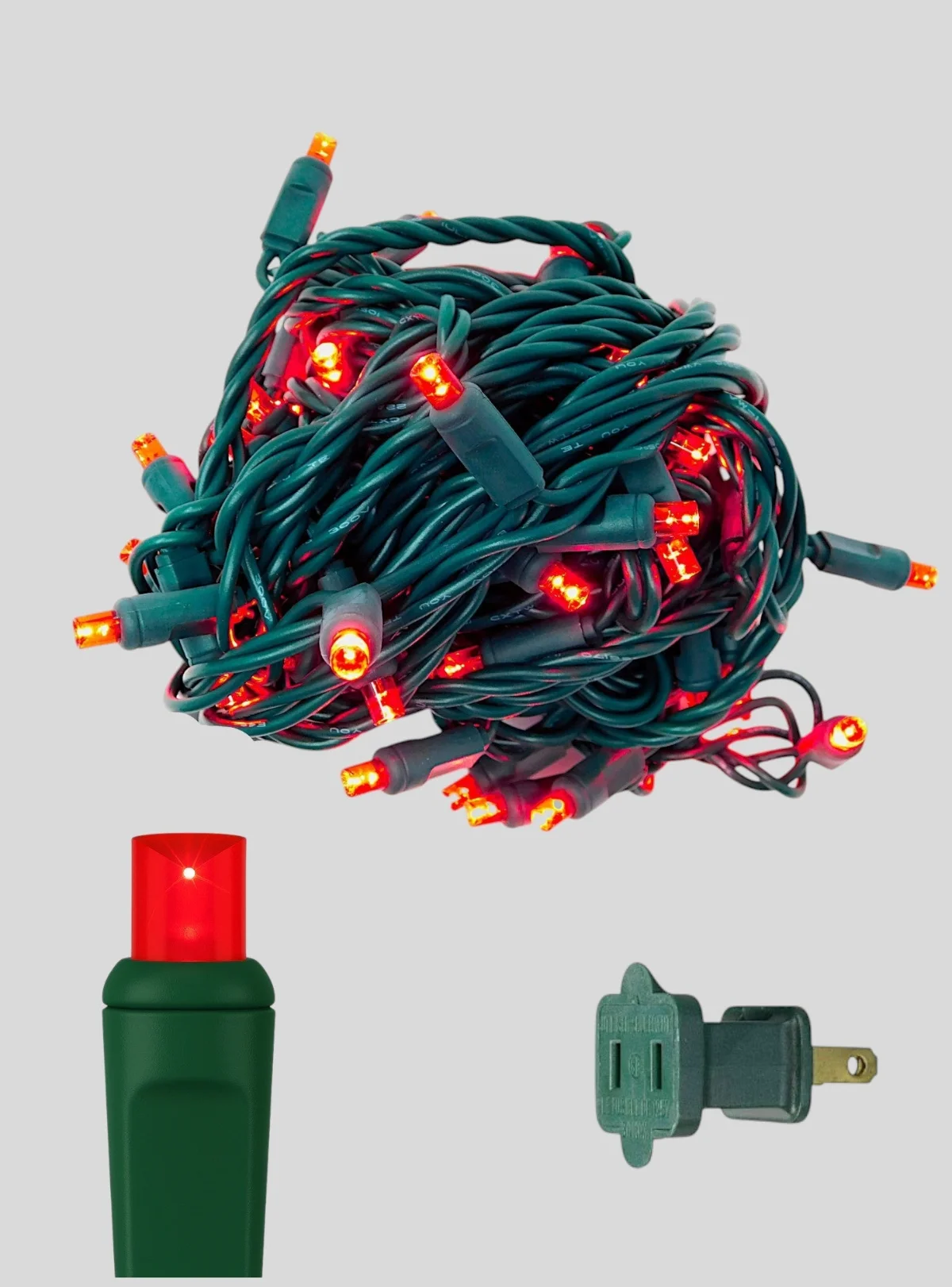
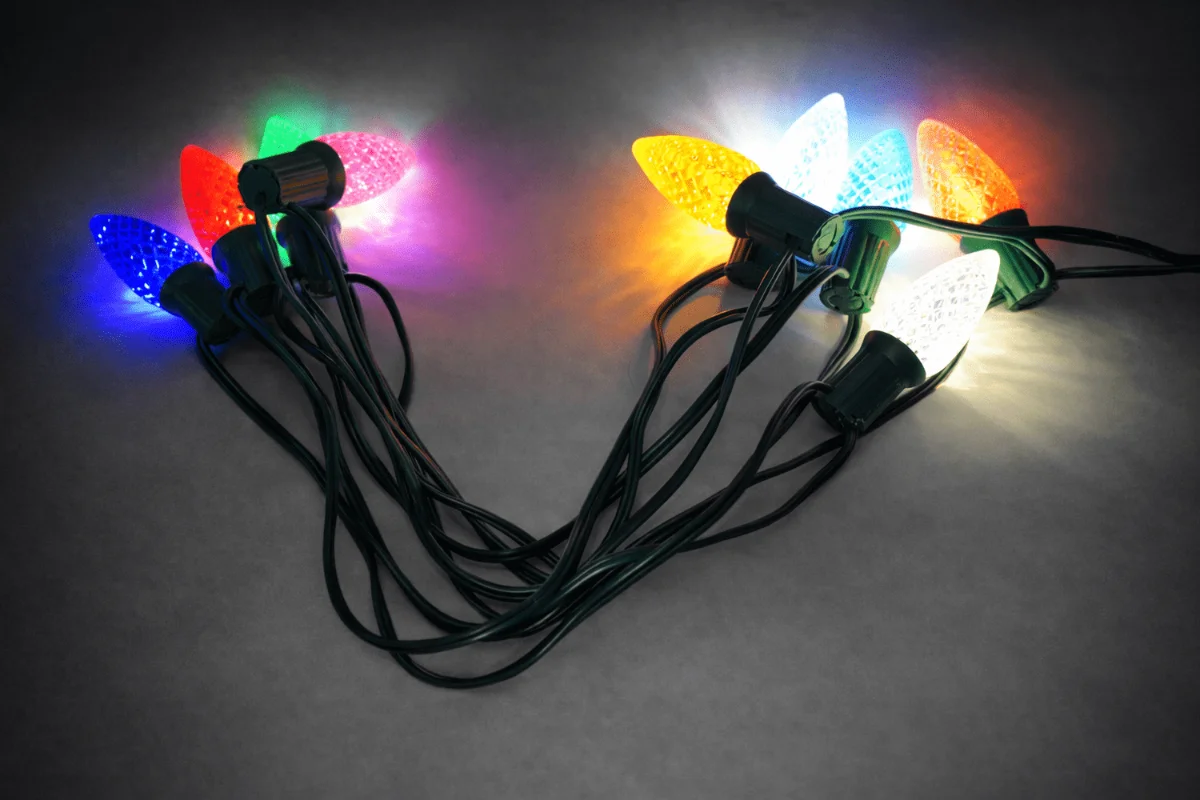
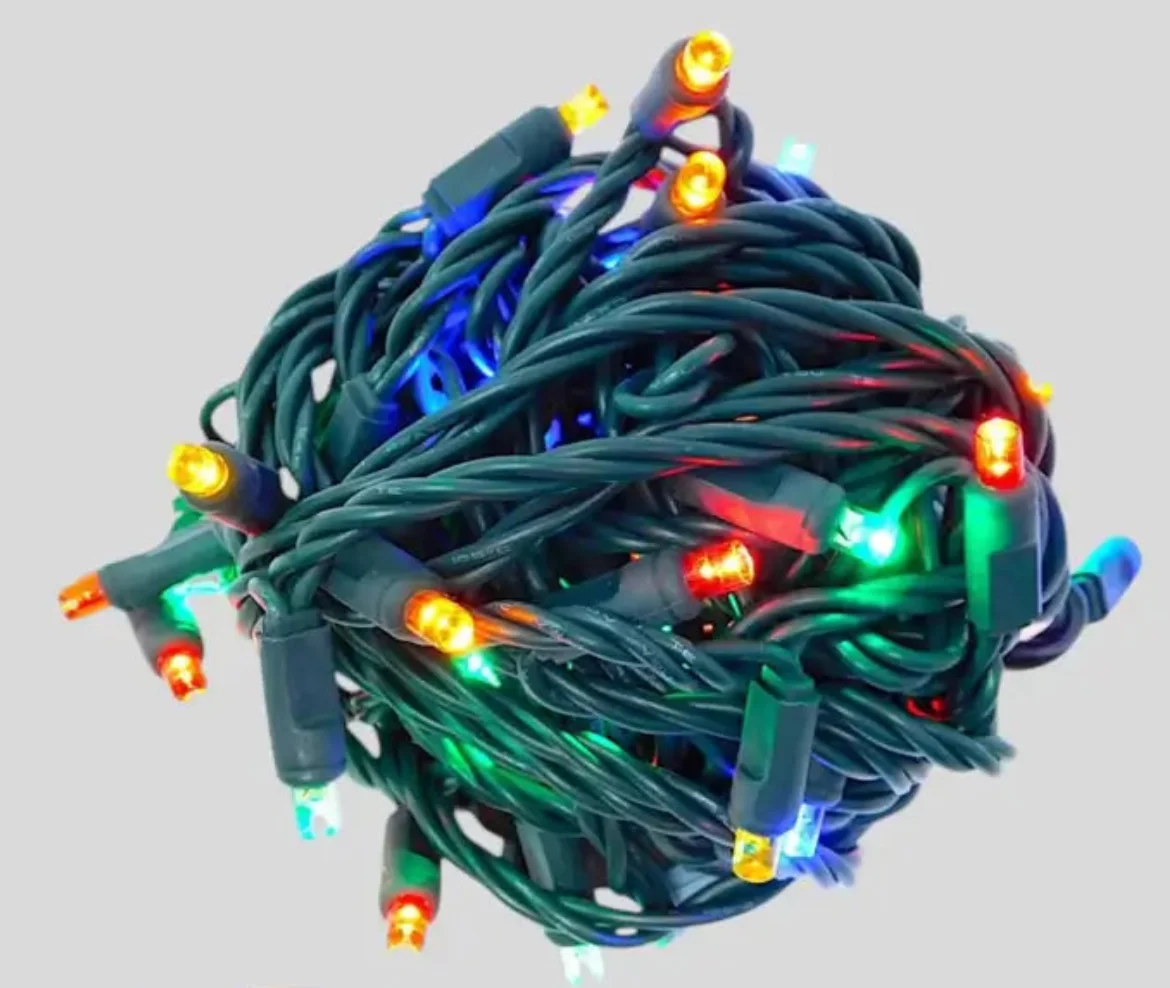
Why it happens: on mini lights, a problem in one section can darken that whole section. On C9 socket wire, a dark section almost always means power isn’t getting past a connector.
How to fix it:
Mini lights:
- If the plug has a small fuse door, slide it open and replace any dark or broken fuse.
- On strands with replaceable bulbs, push in every bulb starting where the dark section begins, and replace any broken or missing bulb.
- Still dark? Swap the strand. A new strand costs less than an hour on a ladder chasing one bad bulb.
C9 on socket wire:
- One dark bulb: screw it in snug or replace it.
- A dark section: find the plug where the section starts.
- Unplug it, cut a fresh end and re-make the plug so the teeth reach the copper.
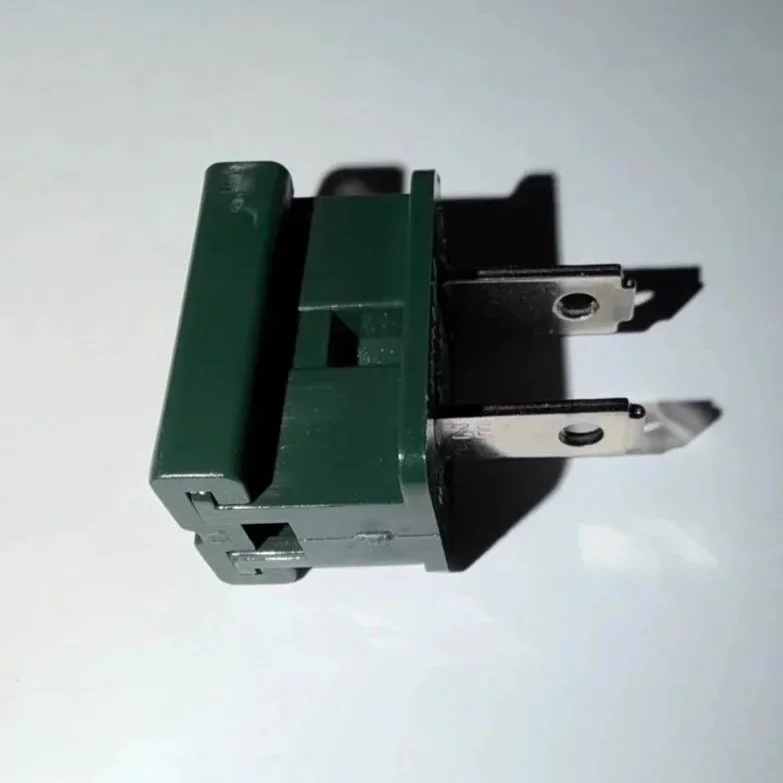
How plugs work: Christmas light plugs and extension wire.
4. Christmas lights flickering or dim
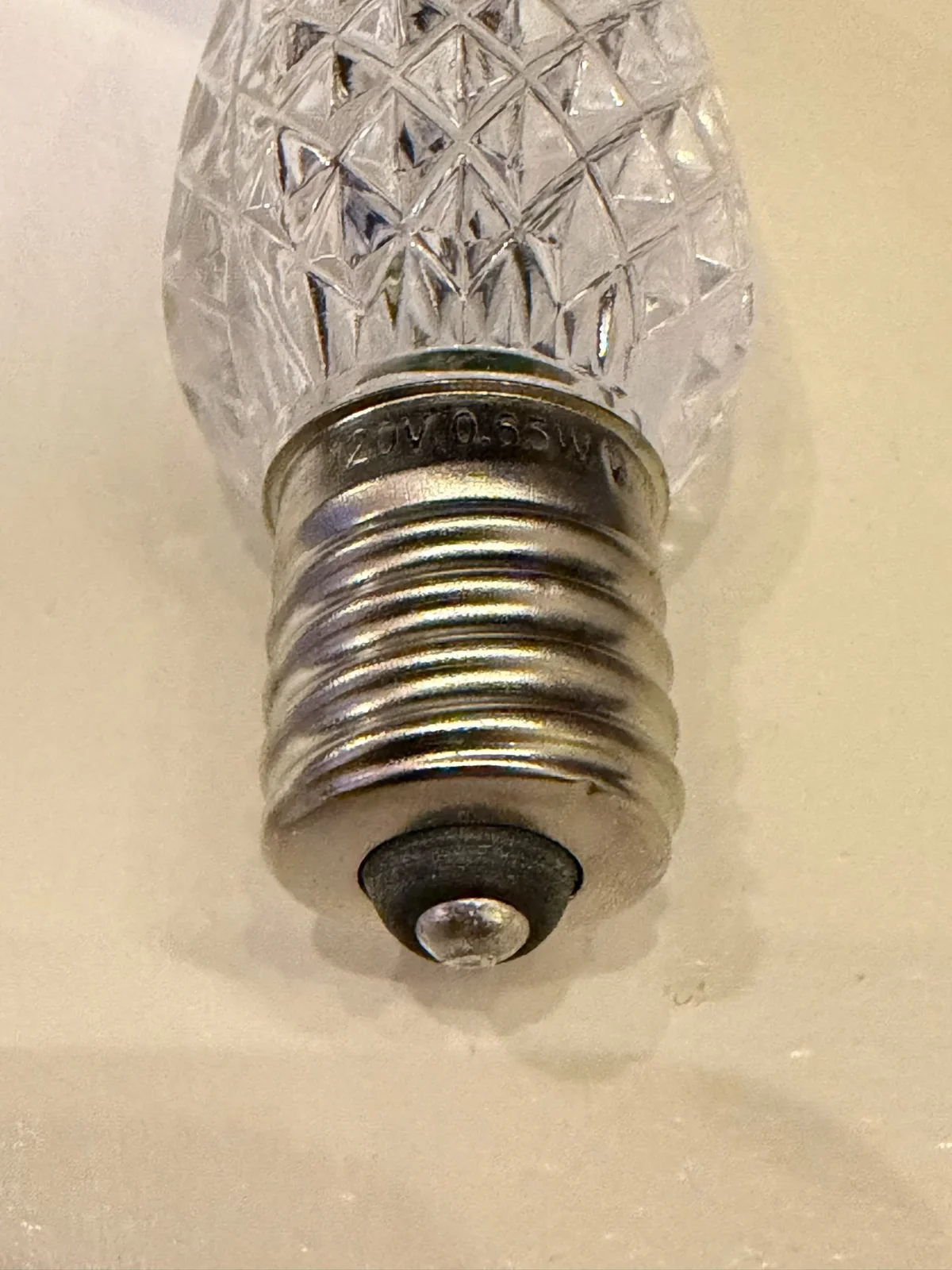
Why it happens: a loose bulb, a damp socket, a loose plug, too many strands connected end to end, or a controller that isn’t rated for LED lights.
How to fix it:
- Snug each C9 bulb by hand. Wind and cold loosen them.
- Dry any wet socket, then seal the area as in problem 2.
- Push plugs together fully and support them so they don’t hang by the wire.
- Check the maximum number of strands or feet the maker allows end to end. Feed long runs from the middle or add a separate lead.
- Swap indoor dimmers or smart plugs for a timer rated for LED lights.
- If only some bulbs twinkle on purpose, you may have twinkle bulbs mixed in.
5. Christmas lights keep tripping the breaker
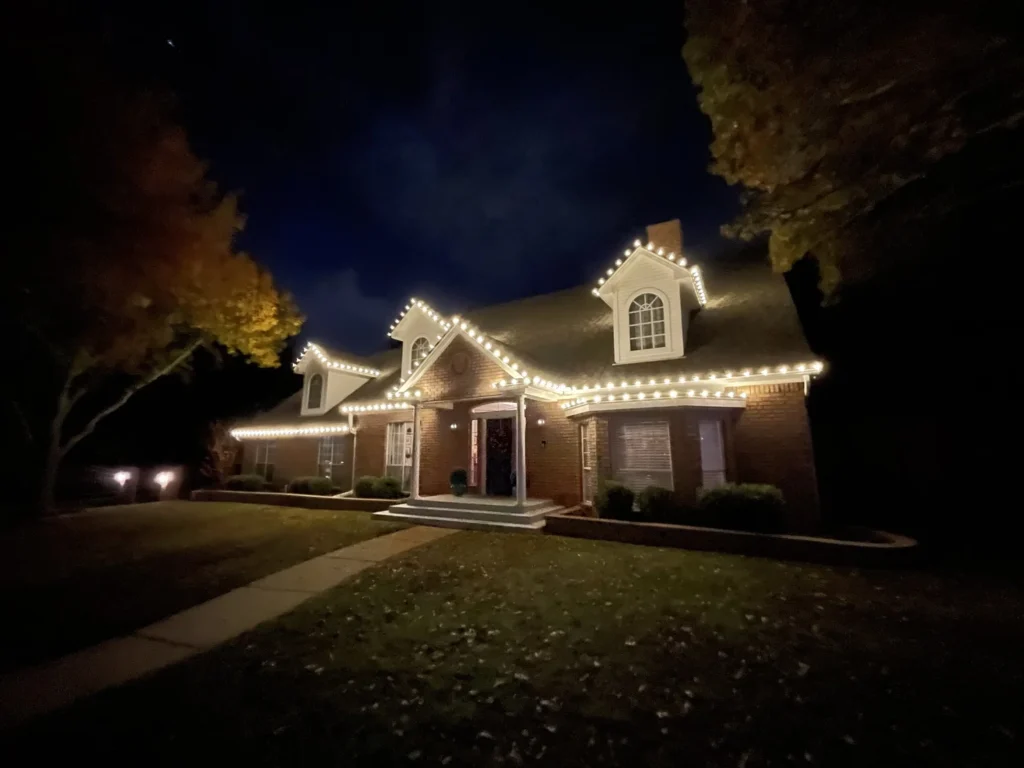
Why it happens: too much load on one circuit, often because a space heater, freezer or other outlets share it. A GFCI trip happens at the outlet. A breaker trip happens in the panel.
How to fix it:
- A typical 15-amp household circuit should carry no more than about 12 amps of continuous load.
- Find out what else is on that circuit and move the lights or the other device.
- Replace old incandescent strands with LED.
- Never connect more strands end to end than the maker allows.
- Do the math: how many Christmas lights per outlet.
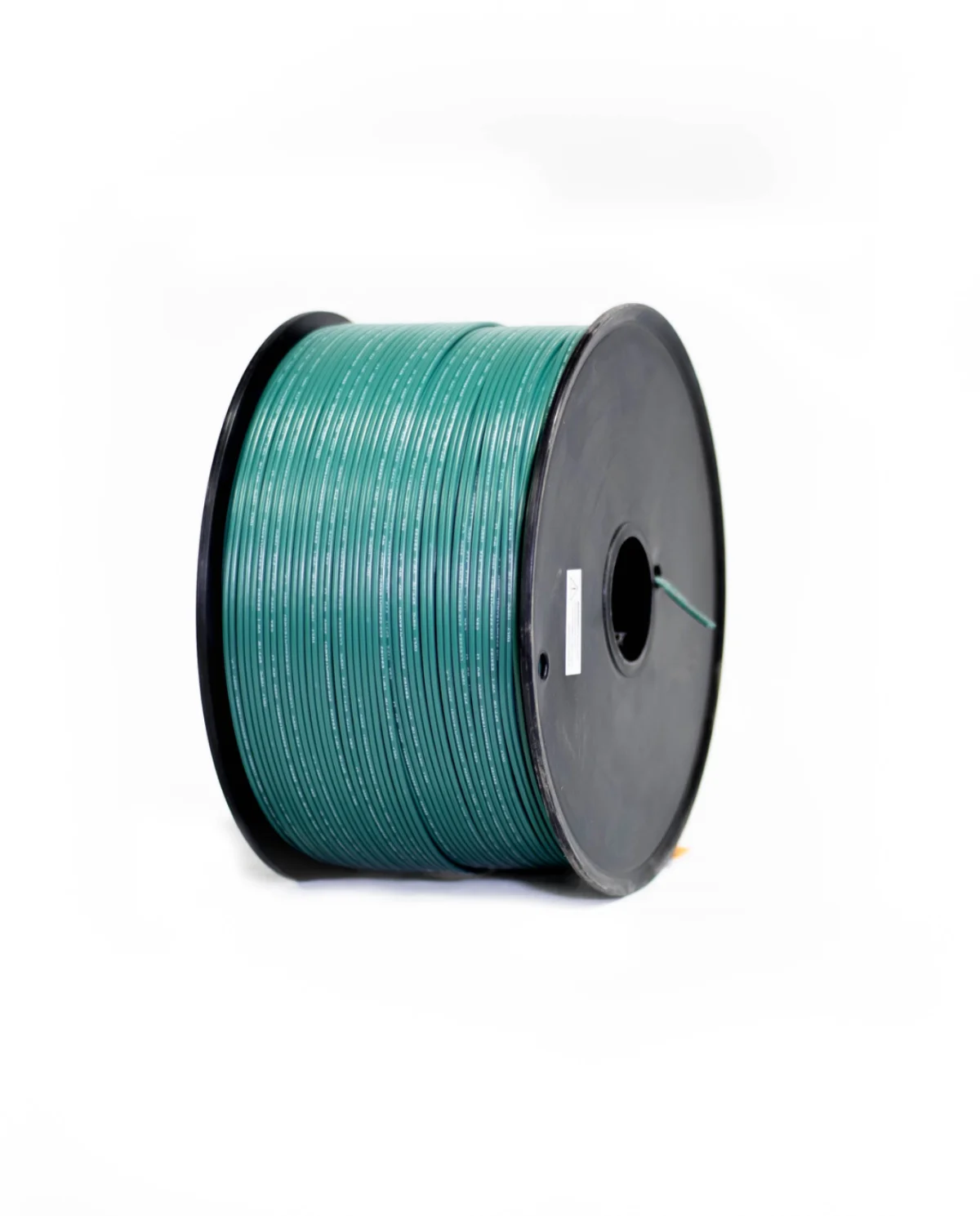
6. Bulbs cracked, faded or don’t match

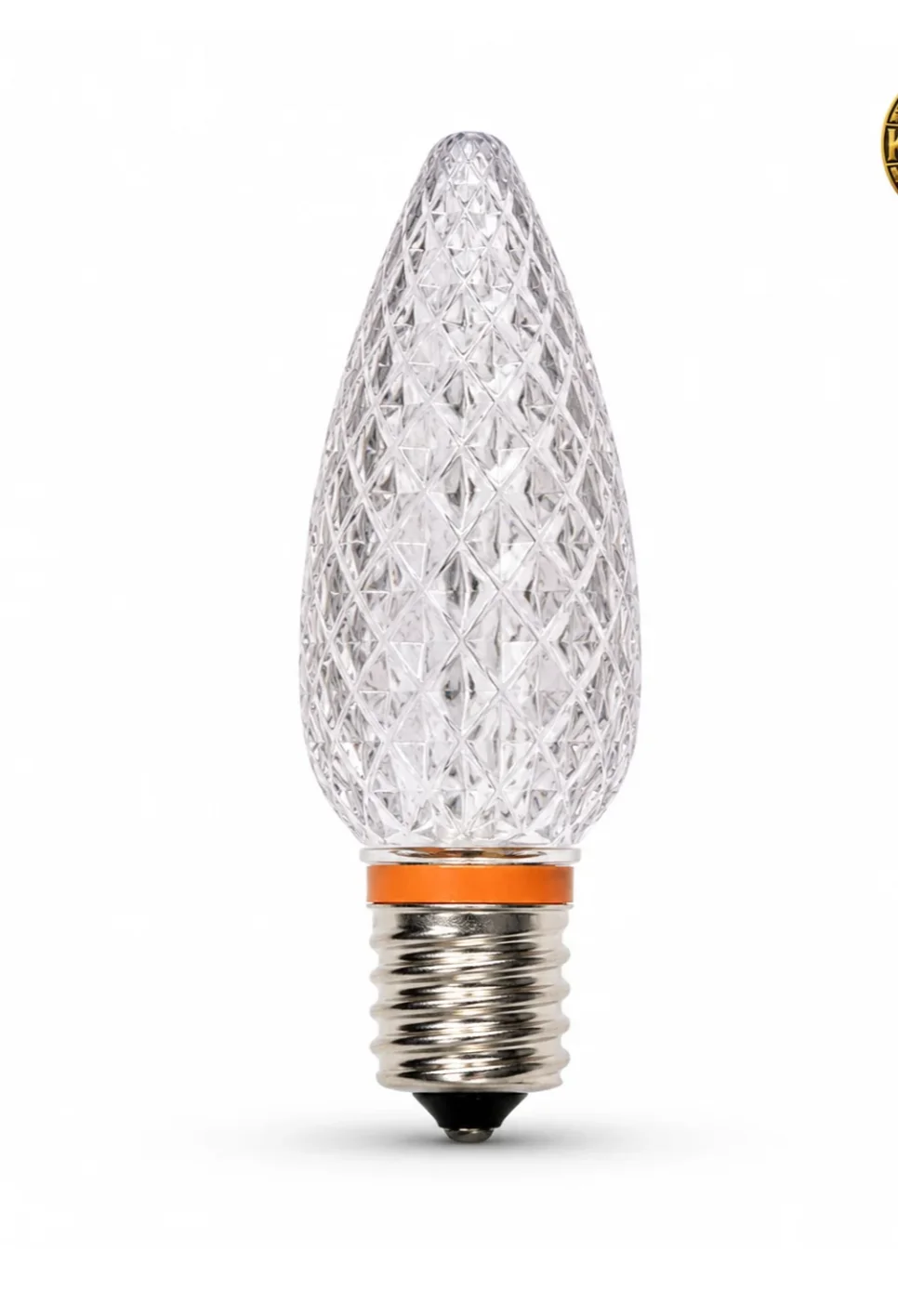
Why it happens: cheap polystyrene bulbs crack and yellow in the sun. Mixing brands or batches gives you several shades of “white.”
How to fix it:
- Replace cracked or yellowed bulbs with shatterproof polycarbonate bulbs.
- Buy every bulb for one house from the same case.
- On banded lines like the NEW 2026 C9s, read the colored band on the base to keep shades sorted.
- More: polycarbonate vs polystyrene and the C9 bulb color guide.
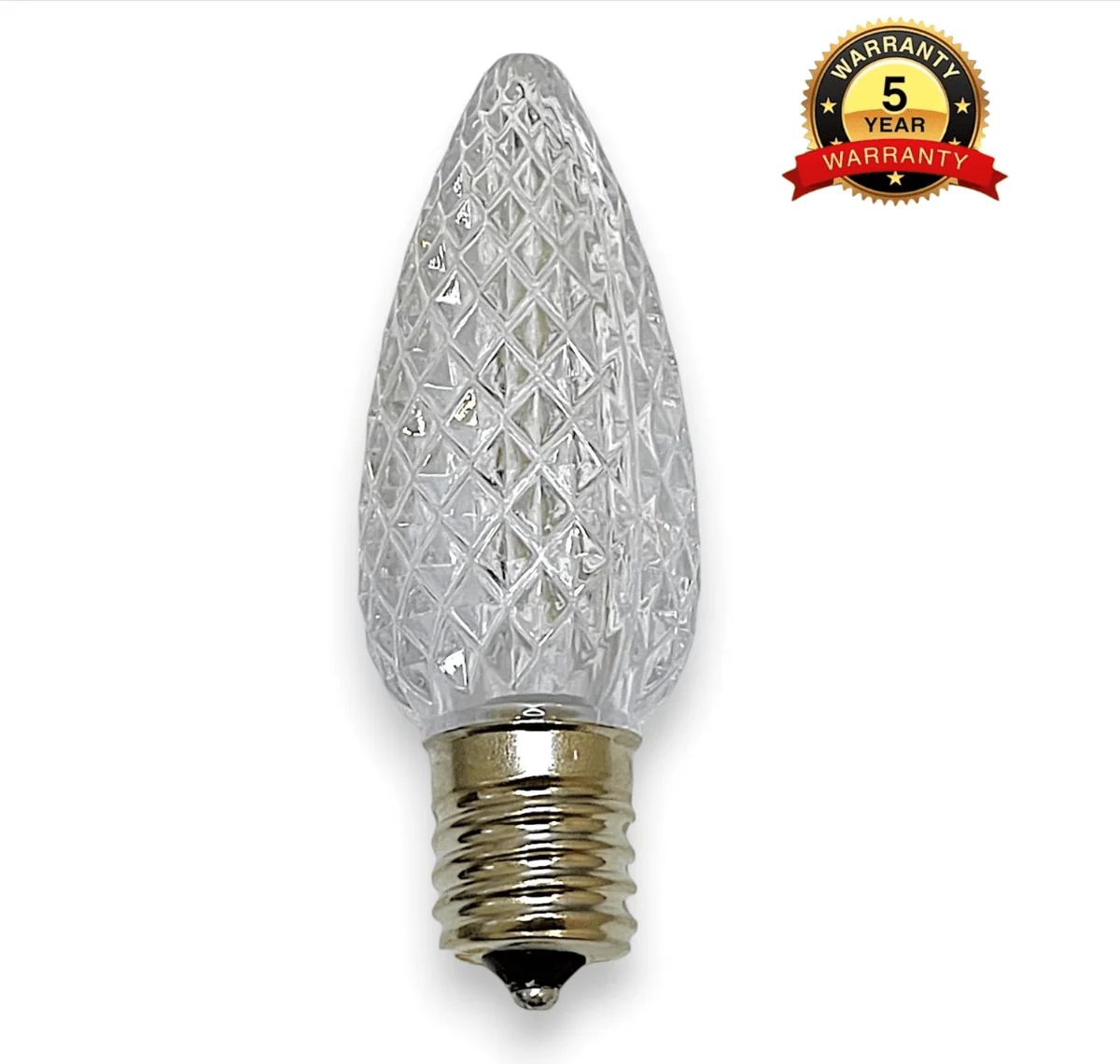
7. Christmas lights falling off the roof
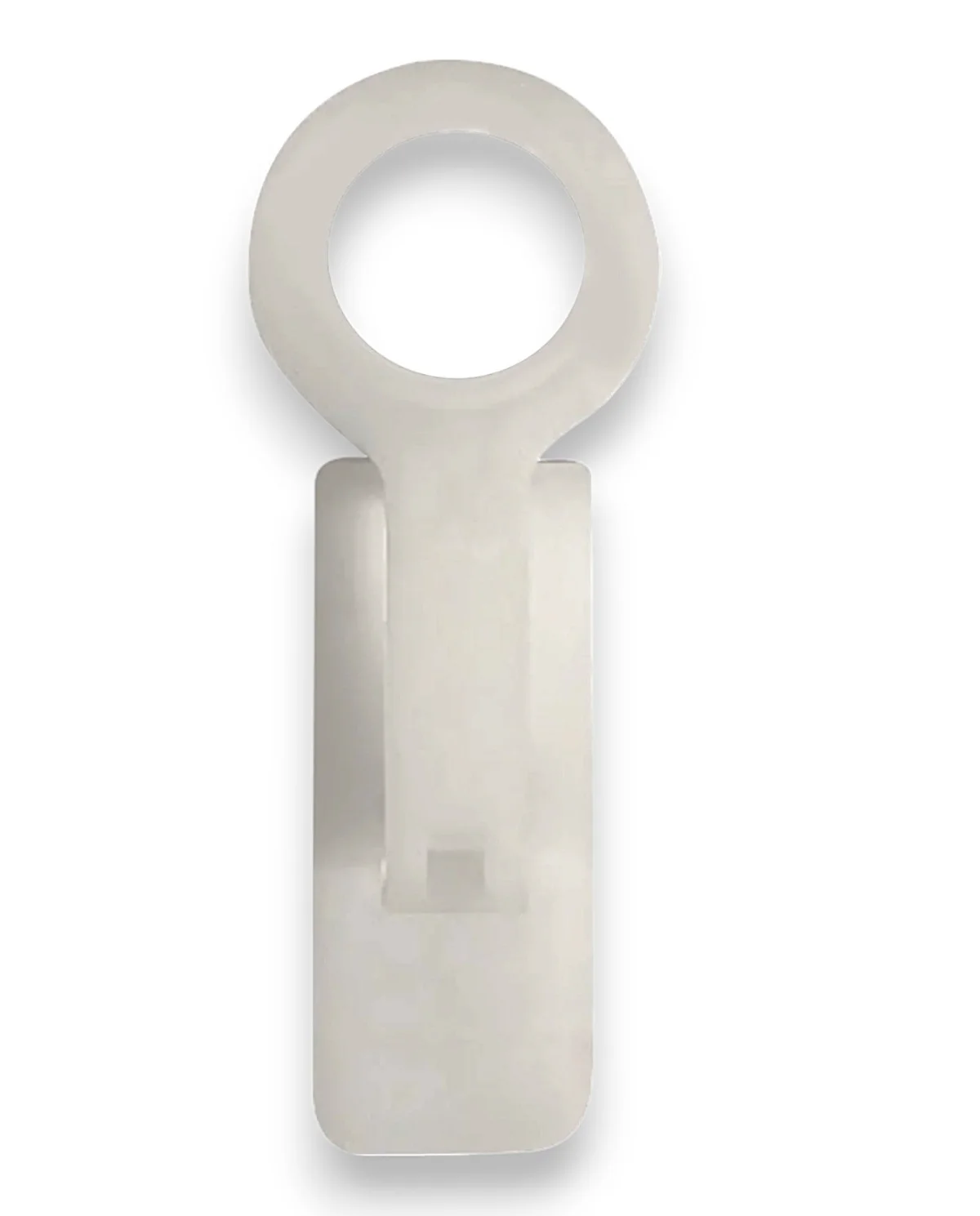
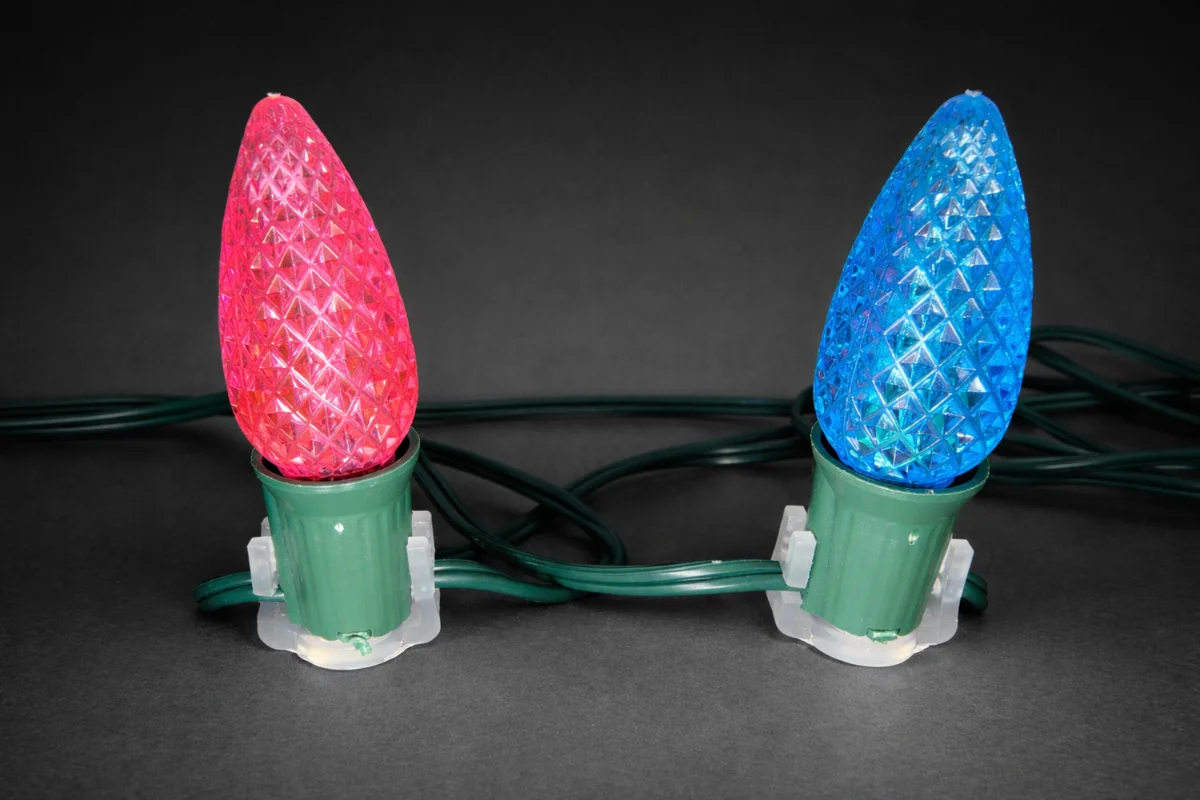
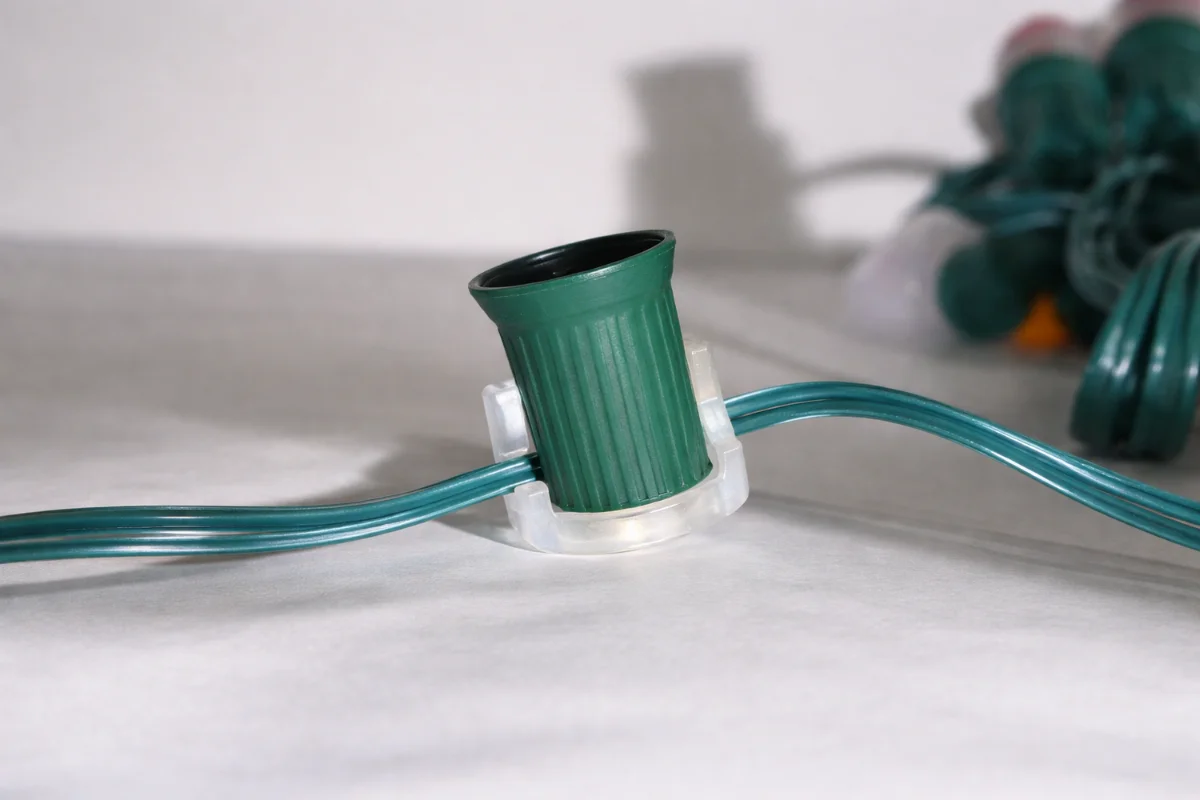
Why it happens: the wrong clip for the surface, or clips that cracked in the cold.
How to fix it:
- Use one clip per bulb.
- Gutters and drip edges: a heavy-duty clip like the Best Clip.
- Shingles: a wedge-style clip slid under the shingle edge.
- Steel gutters, trim and roofs: magnetic clips. Test with a magnet first, since aluminum isn’t magnetic.
- Full guide: Christmas light clips guide.
Tired of patching old lights?
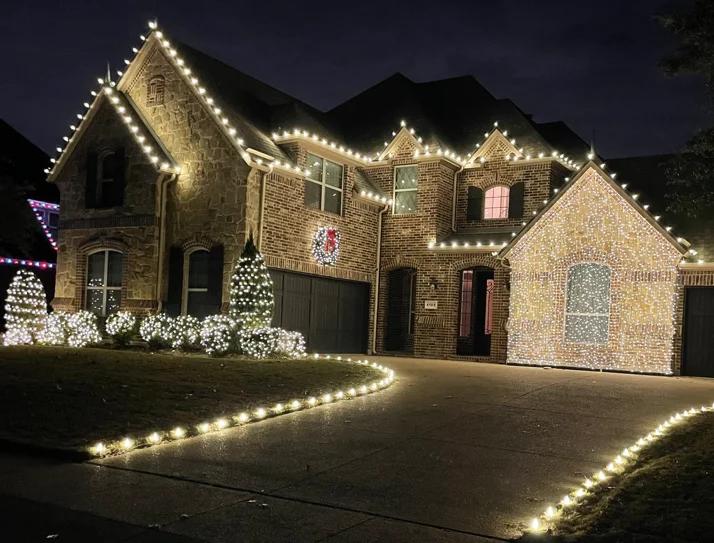
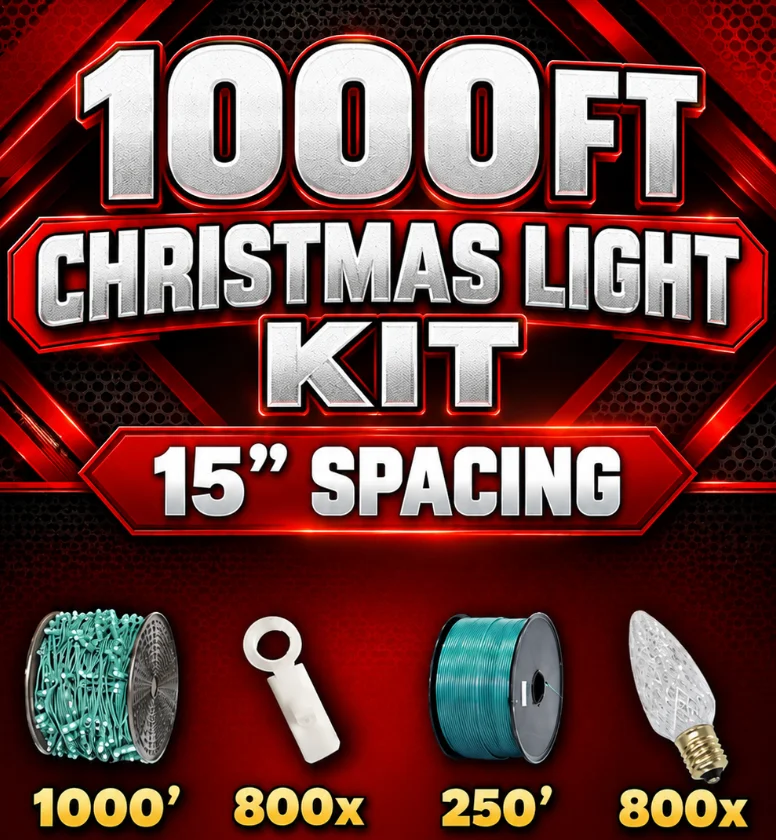
A kit replaces worn strands with one matched set: socket wire, polycarbonate bulbs, a clip for every bulb, plugs, zip cord and a timer.

When to call a pro

- The GFCI trips again right after you reset it, even when dry.
- You see melted plastic, scorch marks or a hot cord.
- The fix means working on a steep or two-story roof.
- Find a Christmas light installer near you.
Quick answers
Why won’t my Christmas lights turn on?
Usually no power is reaching them. Reset the outdoor GFCI outlet, check that the timer is on and set correctly, make sure a porch light isn’t shining on a photocell sensor, and check the breaker panel.
Why do my Christmas lights keep turning off when it rains?
Water is reaching bare copper and tripping the GFCI outlet. Seal cut wire ends with end caps or tape, fill empty sockets and keep plugs off the wet ground.
Why is only half of my Christmas light strand working?
On mini lights, a blown fuse or a loose, broken or missing bulb can darken a whole section. On C9 socket wire, a dark section usually means a bad plug connection where that section starts.
Why are my LED Christmas lights flickering?
Usually a loose bulb, a damp socket, a loose plug, too many strands connected end to end, or a dimmer or smart plug that isn’t rated for LED lights.
Why do my Christmas lights trip the breaker?
The circuit is overloaded, often because other devices share it. Move the lights to another circuit, switch to LED and stay under the maker’s limit for connected strands.
Why do Christmas light bulbs crack or turn yellow?
Cheap bulbs are often polystyrene, which cracks and yellows in the sun. Shatterproof polycarbonate bulbs hold up much longer.
Why do my Christmas lights keep falling off?
The clip doesn’t match the surface or has cracked. Use a heavy-duty clip on gutters, wedge clips under shingles and magnetic clips on steel.

Author: ChristmasPlug Team
The ChristmasPlug team: Christmas light installers with nine years in the trade.